Product
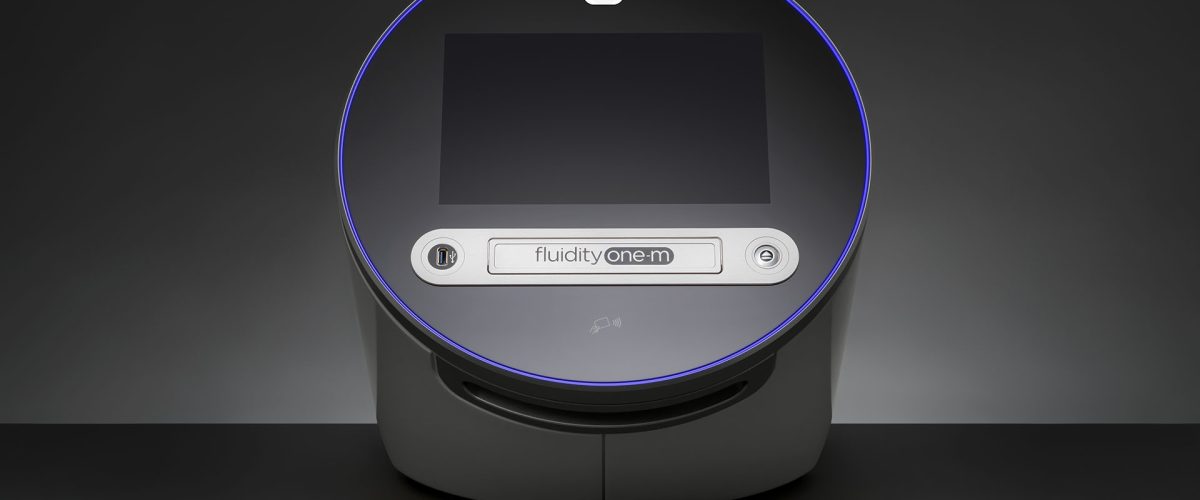
Fluidity One-M
Tackling complex molecular characterization with MDS technology
Fluidity One-M is an in-solution microfluidic platform for quantitative characterization of biomolecular interactions under near-native conditions. Built on Microfluidic Diffusional Sizing (MDS) (see Technology section), the system measures the hydrodynamic radius (Rh) of fluorescently labelled protein target by monitoring their diffusion in a microfluidic chamber.
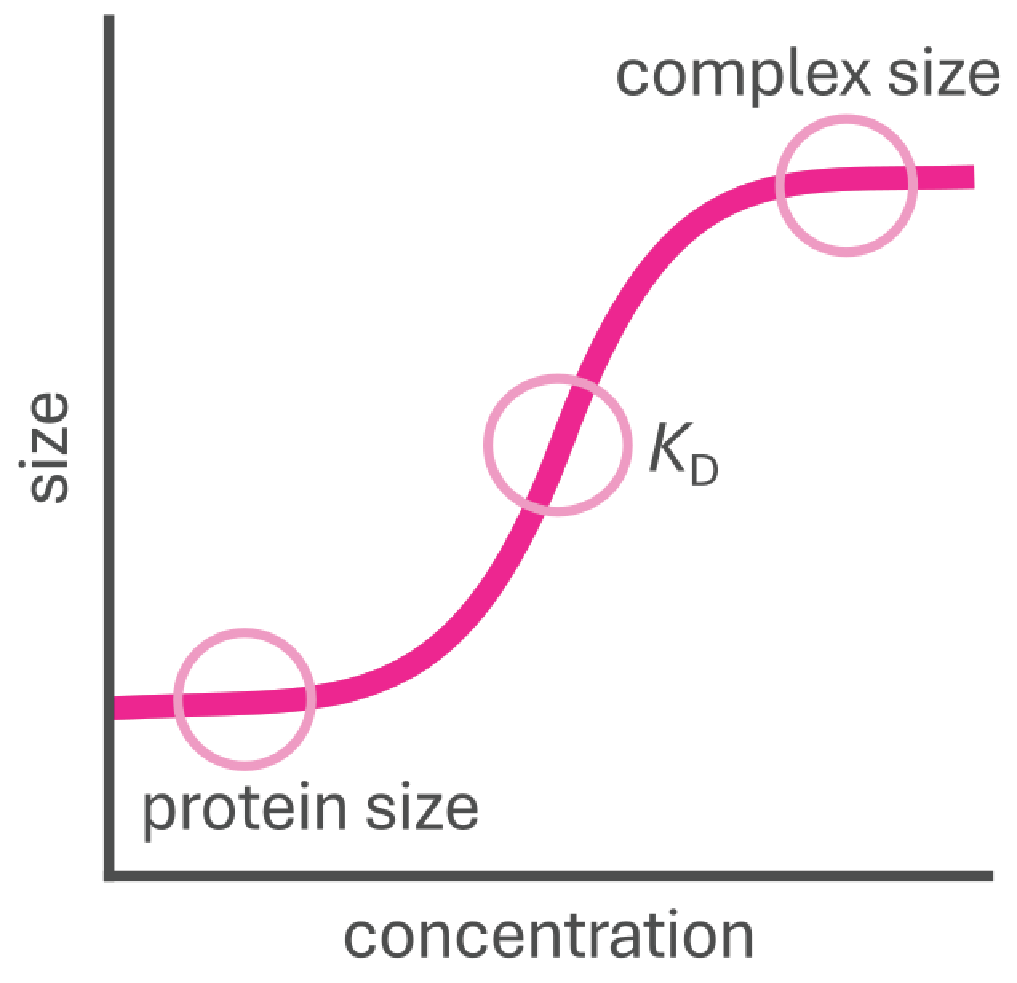
In a single workflow, Fluidity One-M enables determination of molecular size, equilibrium dissociation constant (KD), calibration-free concentration of active binding sites, and binding stoichiometry. By measuring the labelled species in free form and across a titration series of a binding partner, the instrument allows the user to derive a binding curve while also resolving interaction parameters that are often inaccessible with affinity-only methods.
This multiparametric readout is particularly valuable for distinguishing systems with similar apparent affinity but different active concentrations or binding mechanisms.
Adventages
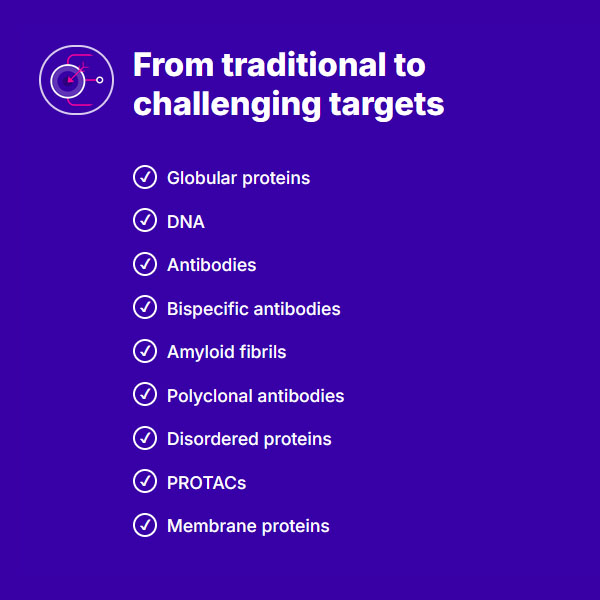
A key advantage of Fluidity One-M is its direct in-solution measurement principle, which eliminates the need for immobilization, purification, calibration, or extensive prior biophysical assumptions. This reduces artefacts associated with surface binding, non-native sample preparation, and constrained assay formats, while enabling measurements in complex biological backgrounds including serum, plasma, and cell lysate. The platform is therefore well suited not only to conventional soluble targets, but also to other challenging systems.
We pay attention to detail, so you can pay attention to discoveries.
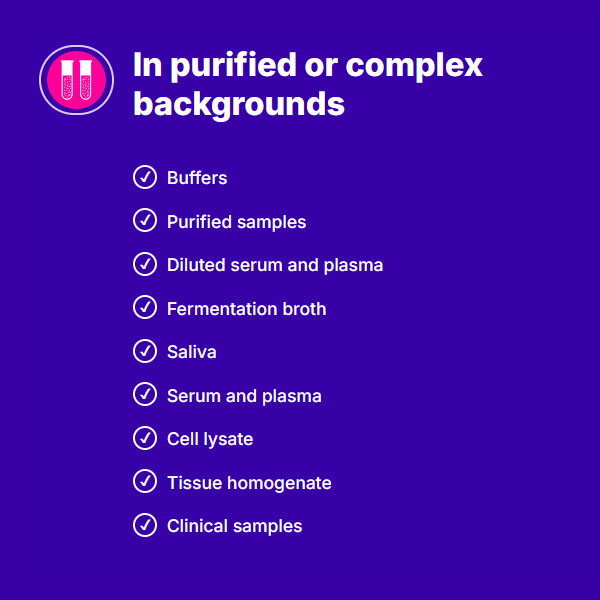
Fluidity One-M is designed for rapid, information-rich experimentation. The workflow combines straightforward experiment setup with low sample consumption of 4 µL per data point, generates 24 data points in 25 minutes, and supports affinity measurements from pM to µM ranges. The system measures hydrodynamic sizes from 1 to 20 nm and can be operated at either 25 °C or 37 °C, allowing assays to be performed under room-temperature or physiologically relevant conditions. A typical experimental sample consumption to determine a single KD is 50–80 µL, with compatibility extending to aqueous and biological buffers as well as crude samples such as undiluted serum or plasma.
From a practical perspective, the platform is engineered for robustness and routine ease of use. Single-use 24-well chip-plates help prevent cross-contamination, while the fluidic-free benchtop design minimizes maintenance by avoiding direct contact between tested solution and the instrument.
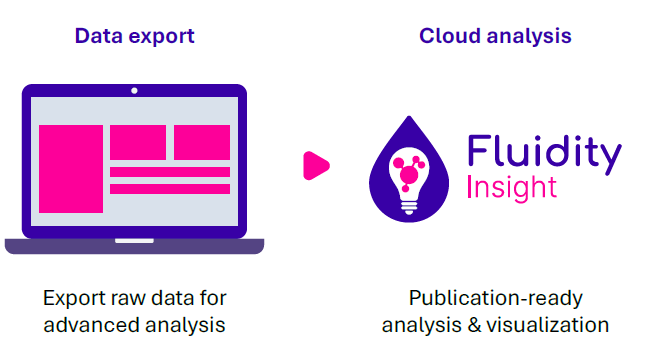
In addition, the accompanying Fluidity Insight software supports data analysis, concentration and stoichiometry calculations, and machine learning-guided experimental design, helping users optimize assay setup and extract publication-ready results from complex datasets.
- Show All
- Fluidic Sciences